
"or acetic acid"
500 article(s) found

Coffee basics several acids in roasted coffee
There are mainly the following kinds of acids in roasted coffee-Zheng Wei (Italian Coffee University). According to the first edition of the chemistry of quality, there are mainly the following acids in roasted coffee: formic acid is the most in shallow roasting, and acetic acid decreases with the deepening of deep roasting, and decreases with the deepening of deep roasting.
Any of several acids in roasted coffee.
There are mainly the following kinds of acids in roasted coffee-Zheng Wei (Italian Coffee University). According to the first edition of the chemistry of quality, there are mainly the following acids in roasted coffee: formic acid is the most in shallow roasting, and acetic acid decreases with the deepening of deep roasting, and decreases with the deepening of deep roasting.

Any of several acids in roasted coffee.
There are mainly the following kinds of acids in roasted coffee-Zheng Wei (Italian Coffee University). According to the first edition of the chemistry of quality, there are mainly the following acids in roasted coffee: formic acid is the most in shallow roasting, and acetic acid decreases with the deepening of deep roasting, and decreases with the deepening of deep roasting.
Coffee roasting technology roasting determines coffee taste
Generally speaking, each coffee cherry contains two raw beans, and the fragrance is still hidden, waiting to be discovered. In raw beans, it contains a lot of chloric acid. As the baking process, chloric acid will gradually disappear, releasing familiar and pleasant fruit acid-such as acetic acid, citric acid, malic acid in wine. Baking is just right, it can present these beautiful sour taste moderately; on the contrary,

Hand-brewing Coffee skill | Coffee gouache ratio | Coffee steaming skill | Coffee bean cultivation period
Hello everyone, friends will buy coffee utensils and coffee beans home to drink, the editor will often receive a variety of questions, friends' enthusiasm for discussion is also very high. So today, the editor will come to share with you some common questions of newcomers. This is the first question: do you find that you can't get into the water by injecting water into the coffee by hand? The editor tells you that this is the right thing to do.

Learn to make coffee questions and answer questions for beginners in hand brewing coffee
Professional coffee knowledge exchange more coffee bean information please follow the coffee workshop (Wechat official account cafe_style) Hello everyone, friends will buy coffee utensils and coffee beans home to make their own coffee, editors often receive a variety of hand-brewing coffee problems, friends' enthusiasm for discussion is also very high. So today, the editor is going to share with you some common things that are common to newcomers.

There are mainly several kinds of acids in roasted coffee.
There are mainly the following kinds of acids in roasted coffee-Zheng Wei (Italian Coffee University). According to the first edition of the chemistry of quality, there are mainly the following acids in roasted coffee: formic acid is the most in shallow roasting, and acetic acid decreases with the deepening of deep roasting, and decreases with the deepening of deep roasting.

The aroma of coffee is how it comes out. The rich aroma of coffee beans is technically fried.
Professional coffee knowledge exchange More coffee bean information Please pay attention to coffee workshop (Weixin Official Accounts cafe_style) Qianjie-coffee bean aroma source introduction Acid and sugar determine coffee flavor Acid affects coffee quality and complexity Coffee beans naturally contain some acids such as citric acid and malic acid and some acetic acid (which is decomposed or reacted by sugars and other compounds)

Introduction to the price of coffee varieties and the areas where the manor is produced.
What are the prices of washed sun red wine treated coffee varieties? the selected coffee cherries are placed in specific containers by farmers (beans used by Australian baristas in Sasa competitions are placed in metal containers). But in any case, the container should have a device similar to a red wine fermentation suppository or a single exhaust valve. So, carbon dioxide

How to treat coffee beans
From: Eagle Health 2014-09-28 21:10:56 1. Sunning method--- Depending on the weather, it takes about two to four weeks to reduce the moisture content of the coffee beans in the fruit to 12%.

Coffee knowledge sharing: main ingredients and aroma sources of coffee beans
Professional coffee knowledge exchange more coffee bean information Please pay attention to the main ingredients of coffee beans in the coffee workshop (Wechat official account cafe_style) sucrose: in the baking process, part of the sucrose will be broken down into acetic acid, formic acid, glycolic acid, lactic acid, the other part of the sucrose will go through the caramelization reaction to form caramel, which increases the flavor of the coffee. Caffeine: with a bitter taste and a high melting point
Roasting of fine coffee determines the taste of coffee.
Generally speaking, each coffee cherry contains two raw beans, and the fragrance is still hidden, waiting to be discovered. In raw beans, it contains a lot of chloric acid. As the baking process, chloric acid will gradually disappear, releasing familiar and pleasant fruit acid-such as acetic acid, citric acid, malic acid in wine. Baking is just right, it can present these beautiful sour taste moderately; on the contrary,

The proportion of hand-brewed coffee water and coffee powder hand-brewed coffee novice to understand the key skills
Professional coffee knowledge exchange More coffee bean information Please pay attention to coffee workshop (Weixin Official Accounts cafe_style) Hello everyone, small partners will buy coffee utensils and coffee beans to go home to make their own hand-brewed coffee, Xiaobian often receives various hand-brewed coffee problems, the enthusiasm of small partners to discuss is also very high. So today, Xiaobian will share with you a few common questions for newcomers.

Decaf Coffee Bean Story Decaf Coffee Flavor Features Decaf Coffee Advantages and Disadvantages
Professional barista communication, please pay attention to coffee workshop (Weixin Official Accounts cafe_style)[coffee is delicious, remember not greedy cup] refers to coffee contains caffeine, front street coffee reminds you, proper caffeine can refresh, eliminate fatigue. Excessive caffeine can lead to poisoning. Decaf coffee removes most of it.
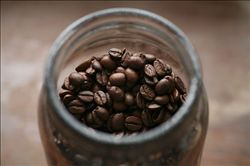
The treatment method of half-sun-dried coffee and raw beans
Brazilian half-sun-natural removal of pectin: Brazil used to use the sun method in the past, the quality varies greatly, so that Brazil Yu is synonymous with middle and lower quality. However, in order to improve its quality and reverse its image, the world's largest coffee producer carried out a quality revolution in the 1990s and vigorously promoted the global half-sun method. Brazilian coffee fields are endless and are mostly harvested mechanically to conform to the classics.
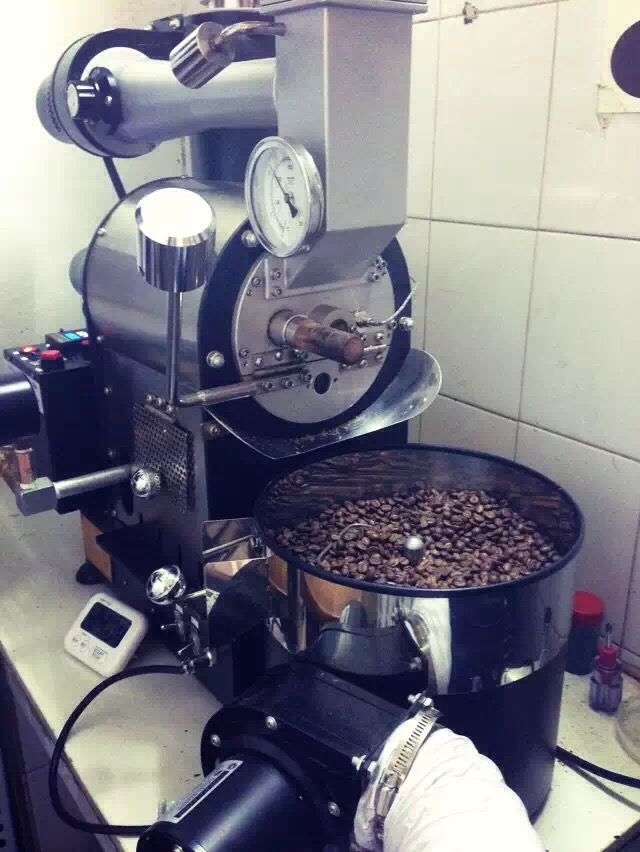
Briefly introduce the purpose and method of baking.
Generally speaking, each coffee cherry contains two raw beans, and the fragrance is still hidden, waiting to be discovered. In raw beans, it contains a lot of chloric acid. As the baking process, chloric acid will gradually disappear, releasing familiar and pleasant fruit acid-such as acetic acid, citric acid, malic acid in wine. Baking is just right to present these beautiful sour tastes in moderation; vice versa

Roasting of coffee beans determines coffee taste
Generally, each coffee cherry contains two green beans, and the aroma is still hidden, waiting to be discovered. In raw beans, there is a lot of chloric acid. As it bakes, the chloric acid disappears, releasing familiar and pleasant fruit acids such as acetic acid, citric acid, and malic acid found in wine. Baked properly, these beautiful sour taste can be moderately presented; conversely,

The red wine treatment of coffee beans can also be called quasi-red wine treatment.
Can you think of the relationship between coffee and red wine? I'm sure you've heard of the traditional coffee making process, but how much do you know about coffee processed with red wine? Let's take a look at it next. The red wine treatment of coffee beans, also known as red wine treatment, is inspired by the brewing technology of red wine. At present, only eight estates in Colombia have successfully adopted the
The taste of coffee is determined by roasting.
Generally speaking, each coffee cherry contains two raw beans, and the fragrance is still hidden, waiting to be discovered. In raw beans, it contains a lot of chloric acid. As the baking process, chloric acid will gradually disappear, releasing familiar and pleasant fruit acid-such as acetic acid, citric acid, malic acid in wine. Baking is just right, it can present these beautiful sour taste moderately; on the contrary,

Roasting determines the light taste of coffee.
Generally speaking, each coffee cherry contains two raw beans, and the fragrance is still hidden, waiting to be discovered. In raw beans, it contains a lot of chloric acid. As the baking process, chloric acid will gradually disappear, releasing familiar and pleasant fruit acid-such as acetic acid, citric acid, malic acid in wine. Baking is just right, it can present these beautiful sour taste moderately; on the contrary,